Top 5 Protein Sources to Boost Your Fitness Journey
When it comes to fueling your body for optimal performance, choosing the right protein sources is crucial. Protein plays a vital role in muscle repair and growth, making it an essential component of any fitness journey. Here are the top 5 protein sources that can help you maximize your workouts:
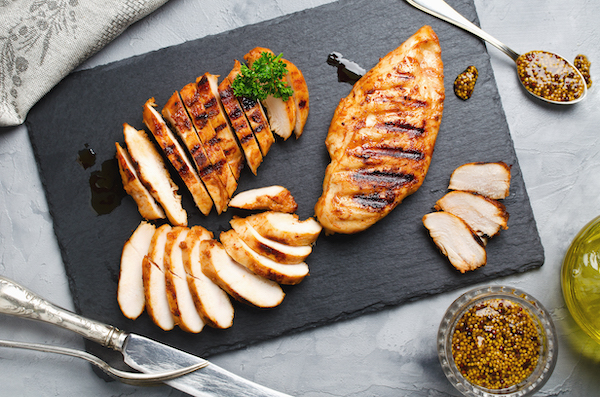
- Chicken Breast: Lean and packed with protein, chicken breast is a favorite among fitness enthusiasts. Just a 3-ounce serving can provide around 26 grams of protein.
- Eggs: Rich in essential amino acids, whole eggs are not only a great source of protein but also contain healthy fats. One large egg contains about 6 grams of protein.
- Greek Yogurt: This creamy dairy product offers an impressive 17 grams of protein per serving and is also packed with beneficial probiotics for gut health.
- Quinoa: A fantastic plant-based protein, quinoa is a complete protein source containing all nine essential amino acids. One cup cooked contains about 8 grams of protein.
- Lentils: These legumes are not just high in fiber but also provide approximately 18 grams of protein per cooked cup, making them an excellent choice for vegetarians and vegans.
How Much Protein Do You Really Need for Optimal Results?
When considering how much protein you really need for optimal results, it’s essential to factor in various elements such as your age, sex, activity level, and overall fitness goals. For most adults, the Recommended Dietary Allowance (RDA) for protein is 0.8 grams per kilogram of body weight, which provides a baseline to avoid deficiency. However, if you are involved in regular strength training or endurance exercise, your requirements may increase significantly. Some experts suggest aiming for between 1.2 to 2.2 grams of protein per kilogram of body weight, particularly for athletes or those looking to build muscle mass.
To further illustrate how protein needs can vary, consider the following categories:
- Sedentary adults: 0.8 g/kg
- Athletes: 1.2 - 2.0 g/kg
- Muscle-building goals: 1.6 - 2.2 g/kg
The Science Behind Protein Timing: When to Fuel Your Workouts
The concept of protein timing revolves around strategically consuming protein around your workout schedule to optimize performance and recovery. Research suggests that the timing of protein intake may play a crucial role in muscle repair and synthesis. Consuming protein before a workout can provide your body with the necessary amino acids to enhance muscle endurance and strength, while post-workout protein is essential for promoting recovery and maximizing muscle growth. Ideally, a protein-rich meal or snack should be consumed within 30 to 60 minutes after exercising for optimal results.
To effectively implement protein timing into your fitness routine, consider the following guidelines:
- Pre-Workout: Aim to have a meal containing protein and carbohydrates about 1 to 2 hours before your workout. This can help fuel your body while maintaining energy levels.
- Post-Workout: Incorporate a protein-rich snack or shake immediately after your workout, ideally within the aforementioned 30 to 60 minutes. This will aid in muscle recovery and growth.