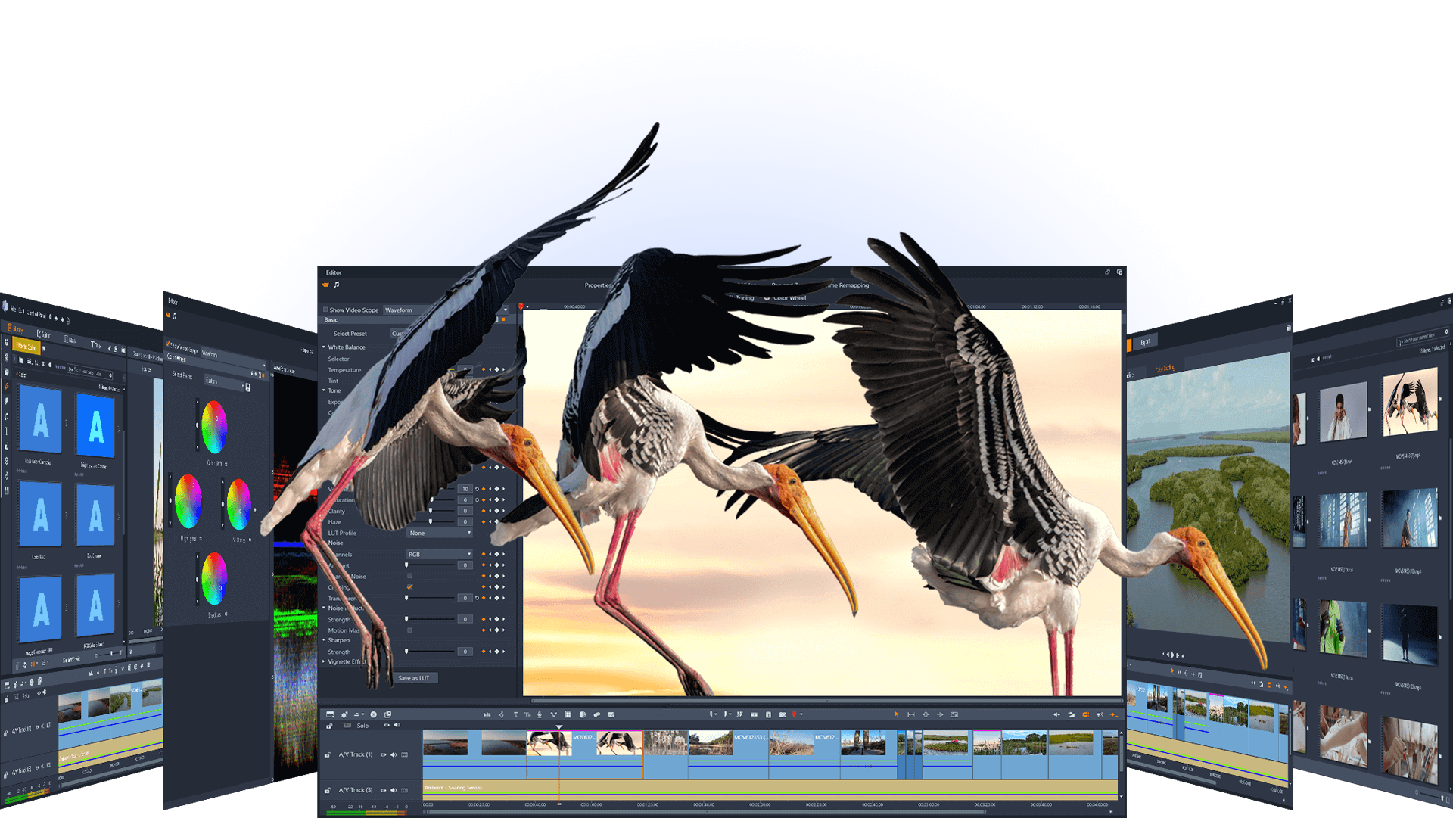
Top 10 Video Editing Techniques to Elevate Your Footage
When it comes to creating captivating videos, employing the right video editing techniques can significantly enhance your footage. In this article, we will explore the Top 10 Video Editing Techniques that every aspiring videographer should master. From basic cuts to intricate color grading, these techniques will not only improve your editing skills but also elevate the overall production quality of your videos.
- Jump Cuts – This technique involves cutting out parts of your footage to maintain a sense of pace and engagement. Perfect for vlogs, it helps to keep your content dynamic.
- Color Grading – Adjusting the colors of your footage can drastically change its mood. Utilize software like Adobe Premiere Pro to create a stylized look.
- Slow Motion – Enhance dramatic scenes by slowing down the action. This technique allows viewers to absorb every detail.
- Montage – Combine several short clips to tell a story quickly. This method is effective for summarizing lengthy events.
- Transitions – Smooth transitions between clips can make your video flow seamlessly. Experiment with different types to see what fits your project best.
- Sound Design – Don't underestimate the power of audio. Properly layered sound effects and background music can elevate the emotional impact of your footage.
- Titles and Text – Use engaging titles and lower-thirds to convey essential information and keep your audience informed.
- Speed Ramping – This technique allows you to change the speed of clips for a dynamic viewing experience, adding excitement at key moments.
- Camera Angles – Experimenting with different angles during editing can create a fresh perspective, making your visuals more enticing.
- Cutaways – Use cutaway shots to provide additional context or information, enriching the viewer's understanding of your main subject.
How to Use Color Grading to Make Your Clips Stand Out
Color grading is an essential post-production technique that transforms the visual narrative of your clips. By adjusting the hues, brightness, and contrast, you can evoke specific emotions and enhance storytelling. When you implement color grading effectively, your footage not only becomes more aesthetically pleasing but also captivates your audience. To get started, familiarize yourself with basic color theory, as it will guide you in selecting color palettes that resonate with the mood of your project.
Once you've established a foundation in color theory, utilize editing software tools to fine-tune your clips. Color grading can be broken down into several key steps:
- Correcting the color balance and exposure of your footage.
- Applying creative LUTs (Look-Up Tables) to infuse a distinct style.
- Enhancing tonal values through curves and color wheels.
The Essential Guide to Creating Stunning Visual Effects in Your Videos
Creating stunning visual effects in your videos can take them from ordinary to extraordinary, captivating your audience and enhancing storytelling. To begin, it's essential to have a clear vision of the effects you want to achieve. Consider incorporating techniques such as green screen backgrounds, motion graphics, and digital overlays. These elements can dramatically elevate the production quality of your projects. Start by using accessible software like Adobe After Effects or Final Cut Pro, which provide a robust toolkit for filmmakers of all levels.
Once you have your tools ready, you'll want to focus on the principles that make visual effects successful. Here are some key tips to keep in mind:
- Plan before you shoot: A detailed storyboard will help you visualize the effects and their timing.
- Use high-quality footage: The better the quality of your original footage, the more impressive your effects will appear.
- Pay attention to lighting: Consistent lighting will ensure that your effects blend seamlessly with the rest of your video.