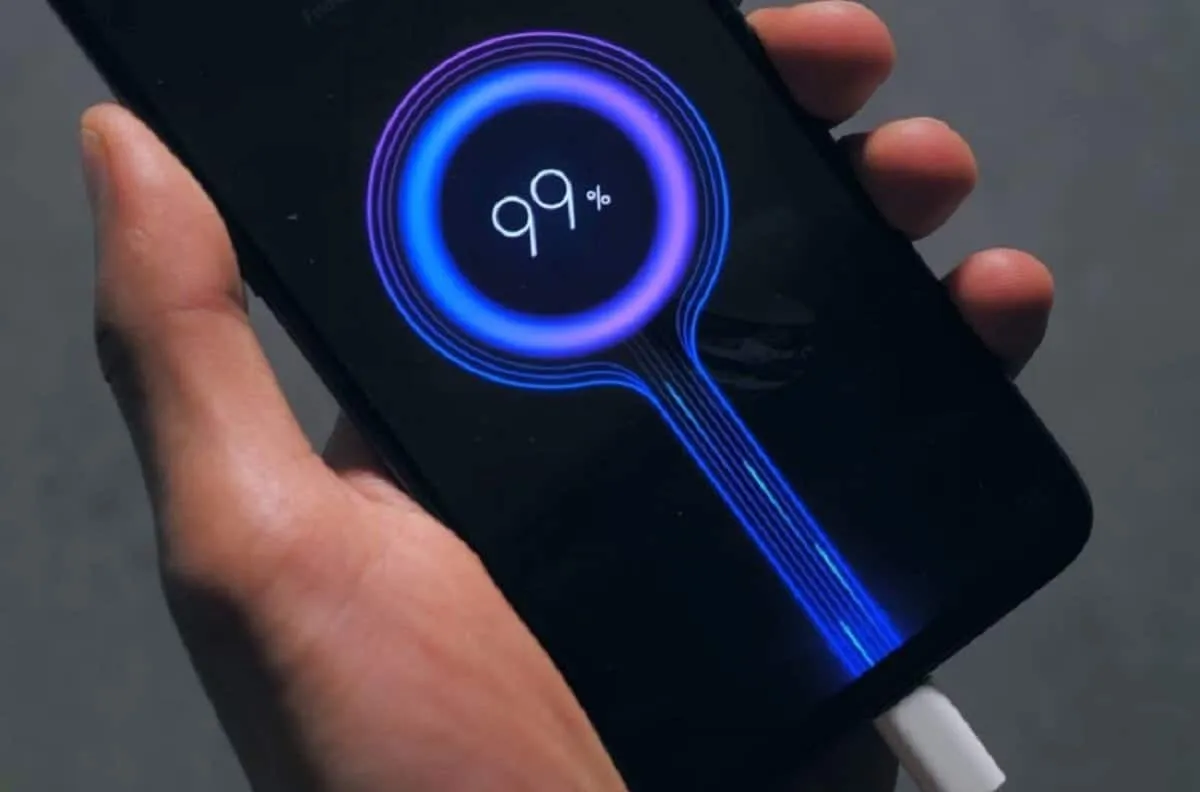
The Science Behind Fast Charging: How It Works
The rapid evolution of technology has brought us fast charging as a game-changer in how we power our devices. At its core, fast charging relies on the principle of increasing the voltage and current supplied to the battery, allowing it to recharge much quicker than traditional methods. For example, while standard chargers typically deliver 5 volts at 1 ampere (5 watts), fast chargers can push out 9, 12, or even 20 volts at varying amperages, effectively reducing the time it takes to charge a device. This process is made efficient through advanced battery management systems that regulate how much energy flows into the battery, ensuring that it does not overheat or suffer damage during the charging process.
In addition to voltage and current, the science behind fast charging also involves the chemistry of lithium-ion batteries. These batteries utilize electrolyte solutions, which allow ions to move between the anode and cathode, storing energy as chemical potential. With fast charging, the rate at which these ions move is optimized, allowing for a quicker replenishment of energy. However, it's crucial to note that not all devices support fast charging; compatibility is determined by the hardware and the charging protocols employed. Understanding these technical aspects not only highlights the advantages of fast charging but also informs users on choosing the right devices and accessories to maximize their charging efficiency.
Finding the right solution for charging multiple devices can be a challenge for families. That's why we've compiled the Top 10 Family Charging Stations to help you keep everyone's gadgets powered up and organized. These stations accommodate various devices and ensure that no one is left with a low battery during family outings or busy home days.
Top 5 Fast Charging Myths Debunked
When it comes to fast charging, there are numerous myths that can lead to confusion among consumers. One prevalent myth is that using a fast charger can harm your device's battery over time. In reality, modern smartphones and devices are equipped with sophisticated battery management systems that regulate the charging process to prevent damage. These systems are designed to slow down the charging speed as the battery reaches its full capacity, ensuring that your phone stays healthy while benefiting from quicker charging.
Another common misconception is that all fast chargers are created equal. While it may seem convenient to use any fast charger, the truth is that charging speeds can differ significantly based on the wattage and technology used. For example, Apple's fast charger and Android's quick charge technology each have their specifications, and using a non-compatible charger may result in suboptimal performance. Always verify that the charger aligns with your device's requirements to maximize efficiency and safety.
Is Your Device Fast Charging Compatible? What You Need to Know
Fast charging technology has revolutionized the way we power our devices, but not all devices are compatible with this feature. To determine if your device is fast charging compatible, you should first check the specifications provided by the manufacturer. Most smartphones, tablets, and laptops released in recent years often support fast charging standards such as Qualcomm Quick Charge, USB Power Delivery, or proprietary systems like Apple's fast charge. If you're unsure, consult your device's user manual or the manufacturer's website for detailed information.
In addition to checking device compatibility, your charging accessories also play a critical role in fast charging. Ensure that you are using a fast charging compatible wall charger and cable that meet the required specifications. Using a standard charger or lower-quality cables can hinder performance and even damage your device. To maximize your device's charging speed, consider investing in a reputable fast charger and ensure that you are using high-quality cables that support higher current flow. This can significantly reduce your charging times and enhance your user experience.